Cosmetic surgery negligence: claiming after botched cosmetic procedures
Have you ever wondered what steps to take if a beauty procedure does not go as planned? While many treatments are successful, complications can happen. If a practitioner fails to meet professional standards and causes you harm, you may have grounds for a legal claim. It is important to understand the difference between medical negligence and malpractice before taking action, as the distinction directly affects the validity of your claim. If you believe your care was substandard, finding a personal injury solicitor is a practical first step to assess your options and understand your rights.
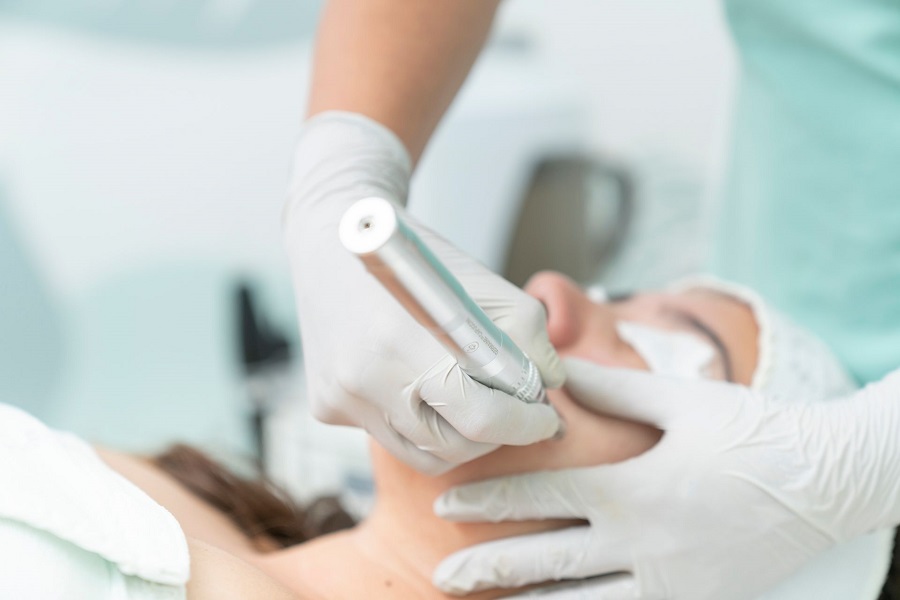
Key takeaway: Can I claim for a botched cosmetic procedure?
Yes. If a cosmetic surgeon or clinic failed to meet acceptable professional standards, causing you avoidable physical or psychological harm, you have the right to claim compensation. Disappointment with the visual result is not enough; you must prove a clear legal breach of duty.
Are you ready to understand your legal rights? Read on to discover how to claim.
What is cosmetic surgery negligence?
A cosmetic surgery negligence claim arises when substandard care causes injury, which is distinct from simple dissatisfaction with the appearance.
To succeed, you must prove three elements:
- Duty of care: The professional had a legal obligation to treat you safely.
- Breach of duty: The treatment fell below professional standards.
- Causation and loss: The substandard care directly caused physical, psychological, or financial harm.
Negligence involves serious errors like improper techniques or hygiene failures, not minor customer service issues.
Common procedures involved in cosmetic surgery negligence claims
Cosmetic procedures are common in the UK, but a poor result does not automatically mean negligence. A claim may arise where substandard care causes avoidable harm. Procedures commonly involved in disputes include:
- Breast surgery: May cause asymmetry, implant rupture, infection, scarring, or loss of sensation.
- Liposuction: May lead to uneven contours, tissue damage, necrosis, or severe infection.
- Facelifts/rhinoplasty: May result in visible deformity, breathing problems, nerve damage, or facial weakness.
- Non-surgical fillers/Botox: Incorrect technique may cause tissue damage, vascular complications, or, in rare cases, vision loss.
- Hair transplants: May cause patchy growth, scarring, infection, or nerve-related symptoms.
Informed consent: when does poor care become a legal issue?
Informed consent is mandatory for any medical treatment. Patients must receive clear information regarding risks, alternatives, and recovery before agreeing to an elective procedure.
Consent may be invalid if:
- The clinic pressured you into a quick decision.
- The practitioner downplayed severe risks.
- You suffered a complication that the surgeon failed to warn you about.
This failure to inform can form the basis of a strong legal claim.
UK Case Examples:
A patient suffered a post-operative stroke following a facelift where the surgeon failed to obtain a full medical history and informed consent, resulting in a settlement exceeding £500,000. In another incident, a patient lost sight in one eye after dermal filler was injected into the central retinal artery.
Private clinics, insurance, and the regulator
Medical professionals working in private hospitals or independent clinics are bound by the exact same duty of care as those in the public sector.
If you suffer harm abroad due to cosmetic tourism, you may still claim compensation, though overseas procedures involve complex jurisdictional rules.
Key points regarding liability and regulation include:
- Duty of care: Private practitioners must meet the same professional standards as NHS staff.
- Regulatory bodies: Organisations like the Care Quality Commission and the General Medical Council oversee independent clinics.
- Insurance complications: Liability issues become more complex if a clinic goes out of business or a surgeon operates independently without valid insurance.
If a practitioner is uninsured, you may need to pursue your claim directly against the individual or clinic, potentially through their medical defence organisation or via insolvency proceedings. The Care Quality Commission (CQC) is a regulatory body and does not handle patient compensation claims.
Evidence needed for cosmetic surgery negligence cases
To build a successful cosmetic surgery negligence case, you must gather reliable evidence demonstrating that the practitioner breached their duty of care.
Key evidence includes:
- Medical records: Hospital notes and operative reports detailing the procedure.
- Consent forms: Documents proving what information the clinic provided beforehand.
- Photographs: Before and after images demonstrating visible harm, such as scarring or asymmetry.
- Financial documents: Receipts and payslips proving your monetary losses.
- Witness statements: Accounts from family or friends detailing how the injury affects your daily life.
Independent medical expert reports are also critically important. Your legal team will arrange for an independent professional to assess the treatment standards and confirm that the negligence caused your injuries.
How much compensation for cosmetic surgery negligence can you receive?
Cosmetic surgery negligence compensation is calculated by splitting the claim into two categories to reflect the full impact of the harm suffered:
- General damages: Cover pain, suffering, and loss of quality of life. The Judicial College Guidelines provide estimated brackets, such as up to £122,850 for severe post-traumatic stress disorder, or up to £27,740 for noticeable laceration scars.
- Special damages: Cover specific financial losses resulting directly from the botched procedure.
Special damages can include:
- Loss of past and future earnings during recovery.
- Costs for corrective or revision surgeries.
- Fees for psychological therapy and ongoing aftercare.
- Travel or accommodation costs linked to further medical care.
Compensation is strictly intended to put you back in the financial position you would have been in if the negligence had not occurred.
Time limits to start your claim
The law imposes strict deadlines for legal action under the Limitation Act 1980:
- You generally have three years to start court proceedings.
- This period begins either on the date of the surgery or on the date you first discovered that the treatment caused your injury.
For instance, if a foreign object is left inside your body and discovered years later, the three-year clock starts only from the date of that diagnosis.
Do I need a cosmetic surgery lawyer?
Proving medical negligence is a complex legal challenge. You should not negotiate directly with a private clinic without a dedicated cosmetic surgery lawyer.
Hiring a specialist solicitor provides clear advantages:
- Gathering evidence: Solicitors know exactly how to request and interpret complex clinical notes.
- Accessing experts: Lawyers utilise networks of independent surgeons to provide critical medical reports.
- Maximising settlements: Specialists identify all financial losses, including future corrective surgery costs.
- No financial risk: Many professionals operate under a No Win No Fee agreement, meaning no upfront fees.
Private cosmetic firms have strong defence teams. An expert solicitor levels the playing field and protects your rights.
FAQs
Can I claim for botched cosmetic surgery?
Yes. You may have the right to claim compensation if the procedure resulted from substandard care and caused avoidable harm. A disappointing aesthetic result alone is not enough; there must be a clear breach of professional duty.
Who is liable for cosmetic surgery negligence?
Liability rests with the individual practitioner or private clinic. If the surgeon used incorrect techniques or the clinic failed to maintain hygiene standards, they may be legally responsible. Both NHS and private professionals owe patients a duty of care.
Can I claim if my surgery went wrong while abroad?
Yes, but overseas claims are highly complex due to varying jurisdictional rules. Seeking specialist legal advice is essential.
Enduring a botched procedure is deeply distressing, but you do not have to suffer if a professional breached their duty of care. By gathering strong evidence and acting within the three-year limit, you can secure compensation to fund corrective treatments and achieve justice.
This guide provides general information only and does not constitute legal advice.
KEY TAKEAWAYS:
- Professional negligence requires strict proof: You must demonstrate a clear legal breach of duty that directly caused avoidable physical or financial harm, not just simple dissatisfaction with the visual outcome.
- Informed consent is critical: Failing to warn a patient about material risks or pressuring them into a quick surgery can invalidate consent and significantly strengthen a legal claim.
- Act within the strict time limits: You have exactly three years from the date of the surgery, or the date of knowledge, to officially initiate your legal claim.
Articles Sources
- thebarristersinc.com - https://thebarristersinc.com/news/the-crucial-difference-between-bad-service-and-true-professional-negligence/
- legalexpert.co.uk - https://www.legalexpert.co.uk/clinical-medical-negligence/cosmetic-surgery-claims/
- integrity-law.co.uk - https://integrity-law.co.uk/cosmetic-surgery-claims-when-results-go-wrong-and-your-rights-begin/
Article history
Our team regularly updates Qredible content to ensure clear, up-to-date, and useful information for as many people as possible.
Do you need a solicitor?
Find a solicitor on Qredible in just a few easy steps





Find a solicitor
With over 2,000 solicitors listed, find the one best suited to your needs. We will then help you get in touch.
Contact a solicitorRecent posts