Orthopaedic negligence claims: compensation for surgical and treatment errors
Medical mistakes during orthopaedic treatment can cause long-term pain and limit your independence. If your care fell below professional standards, you may be eligible to make an orthopaedic negligence claim to secure compensation for your rehabilitation. This guide outlines the process, from proving a breach of duty to calculating your payout. To find expert support, you can use our solicitor directory.

Key takeaway: Can you claim compensation for an orthopaedic error?
Yes, you can claim compensation if a medical professional failed to provide the expected standard of care, resulting in avoidable harm. This includes surgical errors, missed fractures, and delayed treatments that lead to permanent disability or require further revision surgery.
A simple mistake in an operating theatre or an accident and emergency department can change your life, but the law provides a clear path to seek justice.
What counts as orthopaedic medical negligence?
Orthopaedic negligence occurs when a healthcare professional provides care below acceptable standards, causing avoidable injury or worsening your musculoskeletal condition.
This type of negligence can occur at any stage of treatment and commonly involves:
- Surgical errors: Inserting the wrong size or type of prosthetic during a joint replacement.
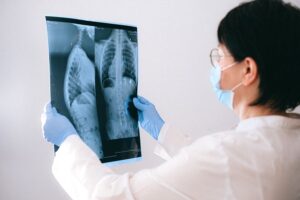
- Misdiagnosis: Failing to identify a fracture or break on an X-ray.
- Inadequate aftercare: Failing to monitor a patient properly, leading to severe, avoidable infection.
- Ignored symptoms: Dismissing severe post-operative pain or overlooking signs of internal bleeding.
Real examples of medical negligence orthopaedic surgery in the United Kingdom
To understand how these claims work, it is helpful to look at real scenarios that have occurred in the United Kingdom. Medical negligence orthopaedic surgery cases often involve profound, life-altering consequences for the patients involved.
Here is a table outlining fictional examples inspired by situations that can occur in clinical practice.
| Type of Error | Real United Kingdom Scenario | Impact on the Patient |
|---|---|---|
| Failed joint replacement | During a partial knee replacement procedure, an unsuitable component is implanted due to a surgical error. | The patient experiences significant pain, reduced mobility, and requires further revision surgery. |
| Missed fracture | A patient attends A&E after a fall. Despite imaging being carried out, a fracture is not identified and the patient is discharged without appropriate treatment. | The delayed diagnosis leads to prolonged pain, worsening of the injury, and a longer recovery and rehabilitation period. |
| Nerve damage during surgery | During a hip replacement operation, an important nerve is damaged due to an avoidable surgical error. | The patient develops lasting weakness in the foot or leg, chronic pain, and long-term difficulties with mobility. |
How orthopaedic negligence claims are assessed against surgical standards
UK orthopaedic negligence claims rely on Good Surgical Practice guidelines. To meet these benchmarks, surgeons must:
- Deliver safe, patient-centred care.
- Work effectively within healthcare teams.
- Maintain strict clinical governance and continuous learning.
If a concern is raised, investigators evaluate the care based on:
- Severity: The extent of the departure from professional standards.
- Context: Environmental, systemic, or workplace factors.
- Frequency: Whether the poor performance was isolated or repeated.
Missed fractures in A&E and the consequences of delayed treatment
A significant number of orthopaedic negligence claims originate in Accident and Emergency (A&E) departments, frequently involving missed fractures.
Why fractures are missed
- No X-ray ordered: The doctor fails to request imaging despite clear physical symptoms of a broken bone.
- Misinterpreted scans: A radiologist or clinician misreads the X-ray, completely missing a subtle or hairline fracture.
- Communication failures: Hospital staff fail to pass positive X-ray results on to the treating clinician.
Consequences of delayed diagnosis
- Malunion: Bones begin to heal in the wrong position.
- Invasive corrective surgery: A surgeon may need to re-break the bone and insert metal plates or screws to realign it.
- Long-term impact: The patient experiences prolonged pain, an extended recovery period, and an increased risk of permanent joint stiffness or early onset arthritis.
Never Events: Wrong-site surgery and severe orthopaedic errors
Some surgical errors are so severe and entirely preventable that the NHS classifies them as Never Events. These occur when established national safety barriers are ignored. A primary orthopaedic example is wrong-site surgery, such as operating on the wrong knee or digit.
When a Never Event occurs, the hospital must:
- Conduct a root cause analysis to find out why the error happened.
- Log the incident with national healthcare reporting systems.
- Distribute the findings internally to prevent future recurrence.
The occurrence of a Never Event provides strong evidence of medical negligence. This may make the legal process of claiming compensation more straightforward.
Impact of mobility loss and revision surgery on orthopaedic negligence compensation
The value of an orthopaedic negligence claim is primarily driven by permanent loss of mobility and the financial impact of revision surgery.
- General damages: Compensation for physical pain, suffering, and loss of amenity. Permanent disabilities yield significantly higher awards than temporary injuries.
- Loss of earnings: Claims for future lost income up to retirement age if restricted movement prevents you from returning to work.
- Care and assistance: Coverage for the cost of professional carers or compensation for family members providing daily support.
- Private revision surgery: If negligence forces you to undergo a complex, high-risk corrective operation, you can claim the full cost of private treatment.
- Secondary recovery costs: Compensation for the additional time off work and extended rehabilitation required after a corrective procedure.
Do I need an orthopaedic negligence solicitor?
Proving medical negligence requires interpreting intricate medical records and gathering statements from independent experts, making a specialised solicitor essential.
- Access to medical experts: Solicitors utilise established networks of independent orthopaedic surgeons to provide the critical evidence needed to prove a breach of duty.
- Accurate claim valuation: Experts meticulously calculate past and future financial losses, ensuring you do not settle for less than you require for long-term care.
- Managing complex procedures: Specialised lawyers handle the rigorous paperwork, manage strict legal time limits, and communicate directly with hospital legal teams.
- No win, no fee agreements: Most specialists operate under conditional fee agreements, removing financial risk by eliminating legal fees if the claim is unsuccessful.
How long do I have to make an orthopaedic negligence claim?
In England and Wales, most medical negligence claims must be started within 3 years of the negligent treatment or the date you first knew, or could reasonably have known, that the injury was linked to the treatment. This is known as the “date of knowledge” under the Limitation Act 1980.
Different rules and procedures may apply in Scotland and Northern Ireland, so you should seek legal advice as soon as possible if you think you have a claim.
FAQs
How do I know if my poor outcome is orthopaedic negligence or just a standard surgical complication?
Surgeries carry inherent risks, but a standard complication becomes negligence if it occurs because the medical team failed to meet professional standards. For example, an infection is a known risk, but it constitutes negligence if it was caused by staff ignoring hygiene protocols. To determine if a breach of duty occurred, your solicitor will have an independent medical expert review your notes against Good Surgical Practice guidelines.
What counts as orthopaedic negligence?
It includes any failure in musculoskeletal care, such as a missed fracture in A&E, incorrect prosthetic alignment during joint replacement surgery, or poor post-operative monitoring that leads to infection or nerve damage.
How much compensation will I receive for an orthopaedic injury?
Payouts depend entirely on injury severity. A minor missed fracture delaying healing might award a few thousand pounds, whereas severe negligence resulting in amputation or permanent mobility loss can exceed several hundred thousand pounds to cover lifelong care and lost income.
Suffering an orthopaedic injury due to medical negligence can alter your life. By proving your care fell below the standards in Good Surgical Practice, you may be able to secure compensation to cover lost wages, revision surgery, and mobility adaptations.
This guide provides general information only and does not constitute legal advice.
If your recovery was compromised by substandard care, the specialised solicitors in the Qredible network can help enforce your rights and secure the compensation you are owed.
KEY TAKEAWAYS:
- Proving negligence: You must demonstrate that a medical professional breached their duty of care, directly causing avoidable harm like a missed fracture or surgical error.
- Never Events: Incidents like wrong-site surgery are wholly preventable, indicate clear negligence, and trigger a mandatory hospital investigation framework.
- Compensation value: Your payout is heavily influenced by the severity of permanent mobility loss, future care needs, and the cost of necessary revision surgeries.
Articles Sources
Article history
Our team regularly updates Qredible content to ensure clear, up-to-date, and useful information for as many people as possible.
Do you need a solicitor?
Find a solicitor on Qredible in just a few easy steps






Find a solicitor
With over 2,000 solicitors listed, find the one best suited to your needs. We will then help you get in touch.
Contact a solicitorRecent posts