Car clamped: when it’s legal and how to challenge it
Discovering your car has been clamped is stressful, especially if your car is clamped outside your house or in a public place. Whether you are dealing with a car wheel clamp for no tax or another issue, it is important to act quickly as fees can increase rapidly. In the UK, only authorised authorities such as the DVLA or the police can legally clamp vehicles. This guide explains when car clamping is lawful, what to do if your vehicle has been immobilised, and how to challenge it if necessary. If you are unsure about the legality of the clamp or the fees being charged, consulting a consumer rights or motoring solicitor can help you understand your position and take appropriate action.
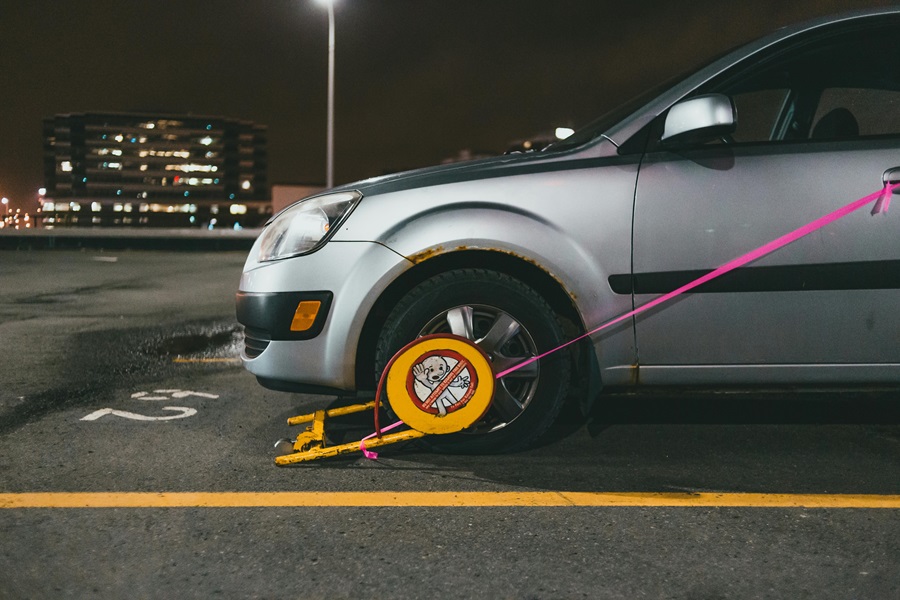
Quick answer: Why do cars get clamped?
Cars are clamped when they are untaxed, uninsured, or parked dangerously. In the UK, only authorised bodies such as the DVLA, police, or local authorities can legally use a car clamp on public roads. Private companies cannot legally clamp a car on private land in England and Wales under the Protection of Freedoms Act 2012.
If your car has been clamped and you are unsure about its legality or the fees, consult a consumer rights or motoring solicitor to assess your options and recover any unlawful charges.
Car clamping law: Protection Of Freedoms Act 2012
The law on car clamping changed significantly in 2012 to stop abusive practices by private clampers. Under the Protection of Freedoms Act 2012, it is a criminal offence to clamp or tow a vehicle on private land without lawful authority.
This means that if your car is clamped outside your house or on private property by a private company, it is likely illegal. Only authorised bodies such as the DVLA, police, or local authorities can legally immobilise a vehicle.
- Private individuals or companies cannot legally use a car clamp on private land.
- Landowners must instead rely on Parking Charge Notices (tickets).
- Unauthorised clamping can lead to criminal liability.
Section 54 of the Protection of Freedoms Act 2012 makes unauthorised vehicle clamping a criminal offence.
When is a car clamped by DVLA or the police?
While private clamping is largely restricted, state authorities still retain significant powers:
- DVLA enforcement: Your car may be clamped by DVLA if it is untaxed or kept on a public road without valid vehicle tax. The DVLA (driver and vehicle licensing agency) monitors records to ensure vehicles are road-legal.
- Statutory Off Road Notification (SORN): This is a formal declaration to the DVLA that a vehicle is not being used on public roads, exempting it from tax and insurance while stored on private property.
- Police authority: Officers can clamp a vehicle if it is parked dangerously or suspected of being involved in a crime.
- Bailiff action: Enforcement agents may clamp a vehicle to recover debts (e.g. Council tax, fines), provided they follow the taking control of goods regulations 2013.
Dealing with a car clamped for no tax: The DVLA process
One of the most common enforcement actions is having a car clamped for no tax by DVLA. The DVLA has the authority to immobilise vehicles on public roads, even if the owner is unaware that the tax has expired:
- Vehicle Excise Duty (VED): Often called road tax, this must be paid if your vehicle is used or kept on a public road. Failure to do so can result in DVLA car clamping.
- DVLA clamping notice: If your car has been clamped by DVLA, you will usually find an INF32 leaflet on the windscreen explaining the reason and how to get the car clamp removed.
- SORN and public roads: Even if a vehicle has a valid Statutory Off Road Notification (SORN), it can still be clamped if found on a public highway, as it becomes liable for enforcement.
Rules for a car wheel clamp on private property
Many motorists ask: “Can a car clamp be used on my own driveway?” The answer depends on the status of the vehicle.
If your vehicle is untaxed and not declared sorn, the DVLA can legally enter private land and clamp the car.
However, if your car is clamped outside your house by a private company due to a parking dispute, this is almost always illegal in England and Wales.
The ban on private clamping applies to:
- Private residential car parks.
- Retail park spaces.
- Private driveways (unless by an official body for tax/debt).
Under section 54 of the Protection Of Freedoms Act 2012, it is a criminal offence for a private company to clamp a vehicle on private land without lawful authority.
If a private firm immobilises your vehicle, you should report it to the police (non-emergency 101).
Fees and steps if your car is clamped
Once you realise your car has been clamped by DVLA for no tax or other legal reasons, you must act quickly to avoid the vehicle being towed to a pound.
Typical DVLA car clamp release fees (2026):
- £100 release fee
- £160 surety deposit (refundable)
- + daily storage fees if the vehicle is towed
What to do to release your vehicle:
- Check the notice: Look for the INF32 leaflet left by the authorities.
- Pay the release fee promptly: This is usually paid to a DVLA contractor (e.g. NSL) to remove the car clamp.
- Valid tax required: You must tax the vehicle immediately or pay a surety deposit if you cannot do so right away.
- Time limits: If you do not act within 24–48 hours, your car may be removed and additional storage fees will apply daily.
- Surety deposit: A refundable payment (usually £160 for cars) made when a clamped vehicle is released without being immediately taxed. The deposit is returned once the vehicle’s tax has been properly paid within the allowed timeframe.
Challenging an unlawful car clamp: Your legal rights
If you believe your car has been clamped unlawfully, for example, if you had valid tax or if the clamp was applied by a private individual, you have the right to challenge it.
If your car was clamped by DVLA in error (e.g. Tax paid or valid sorn), you can use the official DVLA appeals process to seek a refund.
You should gather evidence such as:
- Proof of valid tax or SORN at the time of clamping.
- Photos of where the car was parked.
- Receipts for all fees paid.
Do I need a solicitor for a car clamped dispute?
Whether you need a solicitor depends on the severity of the situation and the financial loss involved. If your car has been clamped and you are unsure about the legality or fees, seeking early legal advice can help you avoid costly mistakes.
Why consult a solicitor?
- Recovering costs: If your car was illegally clamped by a private company, a consumer rights or civil litigation solicitor can help you recover fees and claim damages.
- Complex debt issues: If bailiffs have clamped your car for a debt you dispute, a solicitor can challenge the enforcement and protect your vehicle.
- DVLA or enforcement disputes: If your car was clamped by dvla in error, a solicitor can assist with appeals and refund claims.
- Criminal charges: If you are being wrongly accused of tax evasion on a large scale, professional representation ensures your side of the story is heard correctly.
A specialist consumer rights, motoring, or dispute resolution solicitor can assess your case and take action quickly where necessary.
FAQs
How long before a clamped car is removed? A car clamped by DVLA is usually removed within 24 to 48 hours if no action is taken. After this, it may be towed to a pound where daily storage fees apply. If unclaimed, the vehicle can be sold or scrapped. Act quickly to avoid extra costs.
Can you clamp a car on private land? No. Private car clamping on private land is illegal in England and Wales under the Protection Of Freedoms Act 2012. Only authorised bodies (DVLA, police, councils) can legally clamp a car.
Can you clamp a car on private property? No. A car cannot be legally clamped on private property by a private company. Only lawful authorities can do so in limited cases (e.g. unpaid tax or debt enforcement).
Why do DVLA clamp cars and what happens next? DVLA clamp cars mainly for no tax. If your car is clamped by DVLA, you must pay a release fee and tax the vehicle or pay a surety deposit. If you do nothing, the car may be impounded and additional fees or fines may apply.
This guide provides general information only and does not constitute legal advice.
Finding your car clamped is a major inconvenience, but acting quickly can limit costs. DVLA and police can legally clamp vehicles, but private clamping on private land is illegal. Check official notices, act within 24 hours, and seek legal advice if the clamp appears unlawful.
Is your vehicle being held unfairly?
If your car has been illegally immobilised or you are facing aggressive enforcement, Qredible’s network of specialist solicitors can help you challenge the authorities and protect your property.
NEXT STEPS:
- Act immediately: Check the notice, pay the release fee, and tax the vehicle or pay a surety deposit to avoid towing and extra costs.
- Verify legality: If your car is clamped outside your house or on private land by a private company, it is likely illegal; do not pay without checking.
- Challenge if unlawful: Gather evidence (photos, receipts, tax proof) and contact dvla or a solicitor to recover any wrongful fees.
https://www.gov.uk/get-a-clamped-or-impounded-vehicle-releasedhttps://shunauto.com/article/is-car-clamping-on-private-land-legalhttps://www.rac.co.uk/drive/advice/legal/my-car-has-been-clamped-or-towed-what-should-i-do/https://commonslibrary.parliament.uk/research-briefings/sn01490/
Article history
Our team regularly updates Qredible content to ensure clear, up-to-date, and useful information for as many people as possible.
Do you need a solicitor?
Find a solicitor on Qredible in just a few easy steps






Find a solicitor
With over 2,000 solicitors listed, find the one best suited to your needs. We will then help you get in touch.
Contact a solicitorRecent posts