-

- All our legal advice articles
- landlord & tenant
- Landlord responsibilities UK: Your complete legal obligations checklist
Landlord responsibilities UK: Your complete legal obligations checklist

Mold complaints, fire safety concerns, deposit protection breach… In the UK, landlord responsibilities aren’t discretionary; they’re non-negotiable legal obligations with teeth! Get them wrong and you risk enforcement actions, claims tribunals, and reputational damage. Stay focused on the screen to understand precisely what are your obligations as a landlord, what may cost you dearly if you skip it, and when you should contact a property law solicitor.

KEY TAKEAWAY: What happens when landlords neglect their legal obligations?
Discover landlord legal responsibilities 2025, and how Qredible’s network of solicitors can help.

Landlord legal responsibilities and safety compliance
Safety compliance entails adhering statutory requirements imposed by local authorities, health inspectors, and fire services. Failure to do so may result in fines of £50,000 or more, prosecution, or tenant injury claims.
A landlord’s responsibilities for safety demand:
- Gas safety: You must arrange annual boiler servicing and provide a gas safety certificate before tenancy starts; breach costs £6,000 per property.
- Electrical safety (EICR): Full electrical inspection is required every five years with remedial works performed within 28 days; non-compliance carries £50,000 fines.
- Fire safety: Mains-powered smoke alarms must be linked and installed in all rooms; HMO properties require annual fire risk assessments.
- White goods landlord responsibility (washer, oven fridge): All appliances supplied with the tenancy must be regularly tested; tenant-supplied appliances are tenant responsibility.
- Landlord asbestos responsibilities: Asbestos-containing materials should be identified and properly disposed of before renovation work begins; breaches incur £20,000+ fines.
- Heating systems: Landlord responsibilities heating UK requires maintaining winter temperatures at habitable levels. Boilers and radiators must function year-round.
- Carbon monoxide detection: Carbon monoxide detectors must be installed in properties containing gas appliances to avoid tenant poisoning.
Landlord repairs responsibilities: What you must fix vs. what you don’t
Not all repair costs are yours. Your landlord responsibilities repairs are divided into two categories: statutory repairs you must pay for, and tenant-caused damage you can deduct.
Landlords responsibility for repairs include:
- Structural integrity: Upholding structural integrity by maintaining walls, roofs, and load-bearing elements.
- Plumbing and water systems: Supplying water and plumbing systems, including pipes, drains, and sewage connections. Internal leaks caused by tenant carelessness may be recovered.
- Electrical wiring and circuits: Fixing residential electrical installations. Tenant damage may be deducted from deposits.
- Windows and doors (external): Upkeeping frames and mechanisms for outdoor windows and doors, and replacing damaged locks to provide security.
- Fitted bathrooms and kitchens: Maintaining and replacing all fitted items based on age and wear, not deliberate damage.
- Flooring (fitted carpets): Reflooring after normal wear and tear is your landlord responsibilities for repairs; tenant-caused stains and burns can be deducted.
- Decorative repairs (painting and wallpaper): Painting and refreshing fixtures after any structural damage. Tenants wishing for cosmetic decorating don’t fall under landlord painting responsibilities UK.
- Garden maintenance: Preserving outdoor structural elements like fences and paths; grass and plants are typically maintained by tenants.
Landlord responsibilities for mold: Damp, mould, and pest control liability
Breaches of landlord responsibilities mould and pest control breaches can create hidden liabilities, rapidly escalating into tenant claims.
Landlord responsibilities checklist for damp, mold and pest control encompass:
- Structural damp (rising damp): You must address rising damp; if you don’t, you break your habitability agreement and tenants may sue you.
- Condensation and moisture control: You must make sure that ventilation systems work correctly, even if tenants block vents or don’t ventilate.
- Mould growth from dampness: You are responsible for finding and repairing the cause; if you just conceal the mould, you might be breaching damp in flat landlord responsibility, and be held accountable for health claims.
- Penetrating damp (roof/wall leaks): You have to fix roof and wall leaks within a reasonable amount of time; delays might raise tenant claims for diminished enjoyment.
- Pest control and prevention: You must arrange professional pest control treatment and obtain pest control reports at your expense. Bed bugs landlord responsibility UK means tenants cannot be charged for initial infestations.
HMO and commercial landlord responsibilities: Where the rules diverge
Understanding the difference between HMO landlord responsibilities and commercial landlord responsibilities is paramount to avoid expensive compliance failures:
- HMO landlords face stricter residential rules: As mentioned above, HMO license, fire safety inspections, electrical testing every 3 years, gas certificates for each appliance, upkeep of common areas, protection of individual deposits, and immigration checks are all required. Neglecting these landlords responsibilities trigger aggressive council prosecution.
- Commercial landlords operate under contract law: Most of the time, your lease conditions say who is responsible for repairs. Full Repairing Leases (FRI) usually make renters pay for upkeep. However, though heavily negotiated, commercial landlord responsibilities still apply for building insurance, fire and electrical safety, asbestos management, Equality Act accessibility compliance. Disputes rely on providing the appropriate notice for break clauses and renewal dates. Else, you risk losing important rights.
Do I need a property solicitor for landlord legal responsibilities?
Missing a compliance deadline can lead to over 10 years of legal expenses, making expert legal advice essential:
- Compliance costs less than breach penalties: While a property solicitor might cost you around £500-£2,000 to review your list of landlord responsibilities, a single breach may cost upto 10x more, depending on the violation, plus eventual jail time.
- Solicitors identify hidden liabilities: Unsure about responsibilities of a landlord? Ignorance of the laws on landlords responsibilities is no excuse; non-compliance with landlord responsibilities UK, gaps in safety certificates, or failing to place deposits in a protected scheme exposes you to severe penalties. Legal guidance on your landlord legal responsibilities is indispensable.
- Lease clauses determine your financial risks: Disputes relating to commercial leases, such as rent abatement, dilapidation claims or service charge disputes, can incur litigation costs ranging from £10,000 to over £50,000. A solicitor can draft clear repairing obligations, notice-serving protocols, and break clause conditions to safeguard your rental income and exit rights.
FAQs
- Who is responsible for commercial building insurance landlord or tenant? Its is generally the landlord’s responsibility to pay commercial building insurance. However, it is advisable to review the lease, as certain commercial agreements may transfer these costs to tenants.
- Who is responsible for blocked drains tenant or landlord? The landlord is responsible for maintaining main drains and sewage pipes. The tenants becomes liable only for damage caused by misuse.
- Who is responsible for council tax landlord or tenant? Tenants are responsible for paying council tax, unless the property is empty. Then, it becomes the landlord’s responsibility.
- Are landlords responsible for light bulbs? While landlords are only required to provide functioning fittings, tenants are responsible for changing burnt light bulbs.
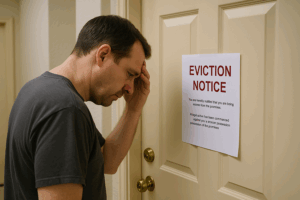
- Are landlords responsible for nuisance tenants? It forms part of landlord responsibilities to address anti-social behaviour and to remedy the situation by evicting troublesome tenants.
- What is a landlord responsible for in a commercial lease? Commercial landlord responsibilities include conducting structural repairs, maintaining fire and electrical systems safety, paying commercial building insurance, and service charges, unless the Full Repairing Lease is transferred to the tenant.
- Who is responsible for cleaning gutters landlord or tenant UK? Landlords are responsible for gutter maintenance, which is indispensable for preventing damp issues and water ingress.
Landlord legal responsibilities are not mere suggestions; they are binding obligations that come with significant financial and criminal repercussions. Adhering to regulations safeguards your investment, prevents expensive legal disputes, and most importantly, guarantees tenants’ safety.
Get protected!
Qredible links you with expert property solicitors who assess landlord responsibilities compliance, create protective leases, and manage disputes before they intensify.
KEY TAKEAWAYS:
- Adhering to landlords’ responsibilities is an expensive statutory compliance to overlook. Fines for breaches can range between £6,000 to £20,000 for gas safety, electrical testing, mold remediation, and deposit protection, highlighting the importance of professional solicitor consultation.
- Different property types impose different landlord legal obligations. HMO landlords face more stringent regulations due to assertive council enforcement, while commercial landlords operate under contract law, where lease agreements outline their responsibilities. Grasping the nuances helps avoid compliance issues.
- Expert solicitor advice on landlord and tenant law helps avert conflicts before they arise. Thorough documentation, prompt replies to tenant issues, and adherence to lease compliance safeguard you in legal proceedings, significantly reducing litigation expenses.
Articles Sources
- gov.uk - https://www.gov.uk/renting-out-a-property
- landlordstudio.com - https://www.landlordstudio.com/uk-blog/landlord-legal-requirements-checklist
- sandradavidson.com - https://www.sandradavidson.com/landlord-responsibilities-checklist/
- mansons.net - https://www.mansons.net/blog/letting/landlord-checklist-renting-house/
Do you need a solicitor?
Find a solicitor on Qredible in just a few easy steps






About the author:

Find a solicitor
With over 2,000 solicitors listed, find the one best suited to your needs. We will then help you get in touch.
Contact a solicitor