British naturalisation: how to apply for uk citizenship
You’ve built a life in the UK with indefinite leave to remain. Now you’re considering British naturalisation, but recent policy changes mean the naturalisation good character test is stricter, and publicly available online content may be considered where relevant to character assessment. The good news: most rejections are preventable with proper preparation. This guide shows you how to structure your British naturalisation application, what documents matter, and what happens after you apply for first British passport after naturalisation. If your , situation involves spouse naturalisation by marriage or immigration complications, consult a solicitor specialising in immigration first.
Key Takeaway: Why does 2026 naturalisation matter now?
Read this guide to navigate 2026 naturalisation successfully.
What British naturalisation actually means
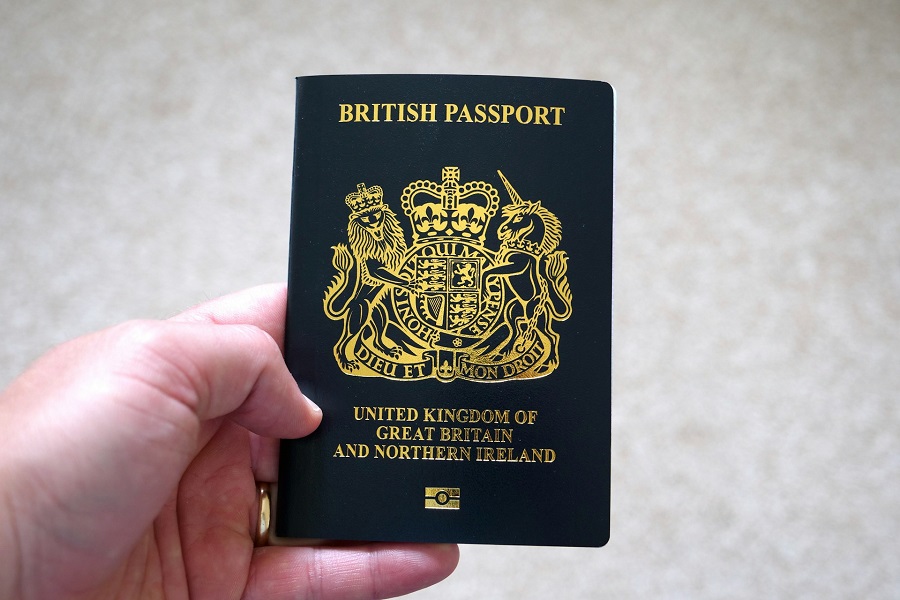
British naturalisation grants citizenship through application, not birth or descent. Unlike visa statuses, it’s permanent and unlocks passport access, voting rights, and family sponsorship.
Indefinite leave to remain vs naturalisation matters because ILR keeps you in perpetual immigration status; naturalisation as a British citizen makes you legally British. ILR requires renewal every 10 years and blocks certain careers (judiciary, armed forces). Citizenship doesn’t.
Why pursue naturalisation?
You gain a British passport (visa-free travel to 190+ countries), ability to sponsor family permanently, access to restricted professions, and eligibility for state benefits.
UK citizenship 2026 requirements: Eligibility & key changes
UK citizenship 2026 requirements demand five years’ residency (or three if married to a British citizen). British citizenship 2026 changes primarily affect how character is assessed rather than core eligibility.
Residency and absences: You must not exceed 450 days abroad over five years (or 270 days over three years for spouses), plus no more than 90 days in the final 12 months. Exceeding these limits normally triggers refusal, though the Home Office considers exceptional circumstances (Crown service, unavoidable work travel).
Good character assessment: Naturalisation good character test 2026 reviews criminality, financial conduct, immigration history, and honesty. The Home Office now checks:
- Unspent criminal convictions.
- Immigration breaches and visa history.
- Deception or dishonesty in applications.
- Tax compliance and financial obligations.
- As of 2025, illegal entry (normally grounds for refusal).
What disqualifies you from naturalisation?
Unspent convictions, ongoing criminal investigations, serious immigration breaches, deception in applications, and terrorism involvement create strong grounds for refusal.
Spouse naturalisation by marriage: Married applicants qualify after three years, and spouse naturalisation eligibility requires proof of genuine relationship and cohabitation.
How to apply: The British naturalisation application process
How to apply for British naturalisation starts with the Home Office online portal or paper Form AN. Precision matters; every field is reviewed.
Step-by-step procedure:
- Gather documents: Passport, ILR vignette, birth certificate, marriage certificate (if applicable), five years’ council tax bills or tenancy agreements, employment letters, and tax returns. Missing documents trigger delays.
- Complete the form: British naturalisation form requires honesty and accuracy. Declare all address changes, employment gaps, foreign travel, and incidents. Omissions invite refusal on grounds of deception.
- Life in the UK test: Book before or with your application. Failure means retesting after 28 days (no permanent bar).
- English language proof: Provide IELTS (5.5+), TOEFL (72+), or UK degree. Exemptions apply if aged 65+ or with severe disabilities.
- Submit application: Apply for British citizenship by naturalisation online (preferred) or post. Online acknowledgment: five working days.
- Biometrics and interview: Attend a visa application centre for fingerprinting. Expect an interview assessing your English and integration.
Essential tests & documents: Life in the UK and English proficiency
Life in the UK test requirements: Pass a 24-question multiple-choice exam on British history, culture, government, and values. Life in the UK test 2026 updates include expanded sections on devolved governments and constitutional changes. You have 45 minutes; 75% pass rate (18/24) required. Cost: £50 per attempt.
English language requirement UK naturalisation: B1 (intermediate) proficiency in reading, writing, listening, and speaking. Accepted qualifications: IELTS (5.5+), TOEFL (72+), or Cambridge English. Exemptions apply only if aged 65+ or with severe learning disabilities. Budget £200–300 and allow 6–8 weeks for results.
Documents needed for British naturalisation:
- Completed Form AN.
- ILR document or vignette.
- Two passport photographs.
- Life in the UK test certificate.
- P60s and tax returns (five years).
- Birth certificate (full, not short form).
- Divorce decrees (if previously married).
- English language qualification certificate.
- Employer reference letters for each job held.
- Five years’ council tax bills or tenancy agreements.
- Marriage/civil partnership certificate (if applicable).
- Passport (original, valid or expired within two years).
- Police clearance certificate (from countries where you’ve lived 6+ months).
Fees, processing, and timeline: What to expect
British naturalisation cost breakdown for 2026:
- Application fee: £1,735 (includes citizenship ceremony fee).
- Life in the UK test: £50.
- English language qualification: £200–300.
- Police clearance certificates: £15–50 per country.
- Biometric fees: £19.20.
- Total: £2,000–£2,150 minimum (plus solicitor fees: £500–£2,000 if needed).
British naturalisation fees are non-refundable even if rejected. Payment is required upfront via debit or credit card.
British naturalisation processing time averages 6–8 months from submission to decision. How long does naturalisation take 2026 depends on case complexity and document completeness. Straightforward cases: 4–6 months. Complex cases: 8–12 months.
Timeline for British naturalisation:
- Submission to interview: 2–4 months (application acknowledgment, document review, biometrics, background checks).
- Interview to decision: 2–4 months (interview conducted, final assessment, decision letter issued).
- Approval to ceremony: 4–8 weeks (citizenship ceremony and certificate received).
Common pitfalls & refusal prevention: Avoid delays
Common naturalisation refusal reasons cluster around character issues (40%), absence violations (25%), documentation gaps (20%), and test failures (10%).
Why naturalisation applications rejected:
- Character issues: Undeclared convictions, tax arrears, immigration breaches, or dishonesty trigger refusal. The Home Office cross-checks HMRC records and credit agency data.
- Absence violations: Exceeding 450 days abroad over five years (or 270 over three for spouses) will normally lead to refusal unless discretion applies. Applicants often miscalculate, counting only international flights while forgetting day trips to France or Ireland.
- Documentation failures: Missing documents, expired certificates, or illegible scans delay decisions or trigger rejection.
- Test failures: Multiple test attempts (more than two within 12 months) raise Home Office concerns about genuine engagement.
Naturalisation checklist 2026:
- Clear outstanding tax arrears and debts.
- Submit tax returns and P60s for all five years.
- Pass Life in the UK test on first or second attempt.
- Count every day outside the UK (including day trips).
- Review social media and remove controversial posts.
- Collect employment reference letters from all employers.
- Achieve B1 English proficiency with certified qualification.
- Gather five years’ council tax bills or tenancy agreements.
- Prepare for interview questions on British history and values.
- Declare every address, employment change, and foreign travel.
- Obtain police clearance from all countries where you’ve lived 6+ months.
Can I apply for naturalisation while abroad?
You can submit applications overseas, but you must attend in-person biometrics at a UK visa application centre. If permanently abroad, you cannot meet the residency requirement. Temporary work absences don’t disqualify you, but permanent relocation during your application triggers refusal.
After approval: Ceremony & passport
Naturalisation ceremony requirements UK are straightforward. You attend a local ceremony (town hall or civic centre) where you take the Oath of Allegiance and receive your British naturalisation certificate. Dress smartly; bring your invitation letter, passport, and ID. Ceremonies last 30–45 minutes with 10–30 other new citizens.
What happens at naturalisation ceremony: A local dignitary presides. You recite the Oath of Allegiance (or non-religious Affirmation), receive your certificate, shake hands, and take photographs. Family and friends are welcome.
British naturalisation certificate significance: This is your legal proof of citizenship; required for passport applications, employment checks, and benefit claims. Keep it safe; any name discrepancies must be corrected immediately.
Apply for first British passport after naturalisation within two weeks of your ceremony. Options: standard 10-year passport (£82.50) or 32-page jumbo passport (£98.50).
Apply British passport after naturalisation requirements:
- Completed Form PD/1.
- Birth certificate (original).
- Passport photograph (45mm x 35mm).
- Naturalisation certificate (original or certified copy).
- Payment (debit/credit card online or cheque by post).
- Proof of UK address (council tax bill or utility statement).
Processing: 4–6 weeks standard service; 1 week expedited (£127 extra).
Do I need a solicitor for British naturalisation?
Straightforward cases, clean character, stable employment, no criminal history, often succeed without solicitor involvement. However, solicitors become essential for complicated cases:
- Mitigate character issues: Criminal convictions, immigration breaches, and financial problems require strategic explanation. Solicitors frame your narrative to maximise approval chances.
- Navigate appeals successfully: If your application is refused, solicitors lodge appeals within 28 days to the First-tier Tribunal (£490 fee). Approximately 40% of appeals succeed; solicitor representation significantly improves outcomes.
- Protect your investment: Solicitor costs (£500–£2,000) are modest against rejection (£1,735 lost plus 12-month reapplication wait). For complex cases, the investment typically pays for itself.
FAQs
What is British naturalisation? The legal process enabling foreign nationals to acquire British citizenship through application, granting voting rights, passport access, and permanent protection from deportation.
How long does British naturalisation take? 8-10 months from application to decision letter; add 4-8 weeks post-approval for ceremony and certificate issuance.
How much is the British naturalisation fee? £1,735 application fee (which includes the citizenship ceremony), plus £50 for the Life in the UK test, £200–£300 for an approved English language qualification, and £19.20 for biometrics. Total minimum cost: approximately £2,000–£2,150, excluding any solicitor fees.
What disqualifies you from naturalisation? Unspent convictions, ongoing criminal investigations, deception in applications, child safeguarding concerns, terrorism links, or breaching residency/absence limits trigger automatic refusal.
What happens if my naturalisation application is rejected? Appeal within 28 days to the First-tier Tribunal (£490 fee, 4-8 months processing, ~40% success rate) or reapply after 12 months once you’ve addressed rejection reasons.
British naturalisation in 2026 demands precision, timing, and strategic preparation. Understanding eligibility, avoiding common refusal triggers, and gathering complete documentation separates approval from rejection.
This information is general guidance and does not constitute legal advice. Immigration outcomes depend on individual circumstances and Home Office discretion.
Contract Qredible’s network of specialist immigration solicitors!
Book your consultation to identify hidden risks, prevent rejections, and accelerate your path to British citizenship.
KEY TAKEAWAYS:
- Tighter absence limits, intensified good character assessments, and increased fees demand careful preparation to avoid rejection.
- Five years of financial records, employment letters, police certificates, Life in the UK test, and English proficiency exam must be meticulously gathered within 8-10 month timelines.
- Legal representation significantly improves approval odds for applications involving criminal history, immigration breaches, or character concerns.
Articles Sources
- gov.uk - https://www.gov.uk/british-citizenship
- assets.publishing.service.gov.uk - https://assets.publishing.service.gov.uk/media/68fa2f1bc18f97edd2b63719/Guide_AN_-_October_2025.pdf
- davidsonmorris.com - https://www.davidsonmorris.com/british-citizenship/
- foxwilliams.com - https://www.foxwilliams.com/2025/10/09/routes-to-british-citizenship-a-practical-guide-for-applicants-and-employers/
- citizensadvice.org.uk - https://www.citizensadvice.org.uk/immigration/getting-british-citizenship/applying-for-british-citizenship/
Article history
Our team regularly updates Qredible content to ensure clear, up-to-date, and useful information for as many people as possible.
Do you need a solicitor?
Find a solicitor on Qredible in just a few easy steps




Find a solicitor
With over 2,000 solicitors listed, find the one best suited to your needs. We will then help you get in touch.
Contact a solicitorRecent posts